


Concrete Scanning Before Cutting: Why It Comes Before the Saw, Not After
Concrete scanning before cutting matters because before the saw is the only time the information is still useful. Before the saw, a scan showing rebar, a post-tensioned tendon or a live conduit lets you move the cut line. After the saw, the same finding is a repair bill. Anyone who’s opened up an older Melbourne building and found pipes and cables sitting exactly where the drawings said there was nothing already knows how that goes.
The Short Answer
Why the scan goes first
- A cut can’t be undone. A scan before the saw moves the line. A scan after it only confirms the damage.
- Drawings aren’t enough. They show what was designed, not what was built or changed since.
- GPR is the practical option. It works from one side of the slab and shows results on site.
- Post-tensioned slabs make it non-negotiable. The scan decides where, and whether, a cut can safely happen.
- Book it ahead of the cutting date. Not on the morning the saw arrives.
1 side
GPR scans from one face of the slab or wall, so nobody has to clear the floor below
2 sides
X-ray needs access to both sides plus an exclusion zone, so it’s often done after hours
Free
A Before You Dig Australia plan request costs nothing to lodge
1,000+
Residential, commercial and industrial projects across 20+ years in Melbourne
What Concrete Scanning Is and What It Finds

Scanning is non-destructive testing. It shows what’s inside a slab or wall without drilling, coring or cutting into it. The tool you’ll see most is ground-penetrating radar, or GPR, which sends electromagnetic pulses into the concrete and reads the reflections that come back.
A competent scan can pick up:
Rebar and mesh
Spacing and approximate depth
Post-tensioned tendons
In suspended slabs
Electrical conduit
And other embedded services
Pipes
And other cast-in objects
Voids
And changes in slab thickness
Results are marked straight onto the concrete surface, and on larger jobs they’re usually written up in a report too.
Why Scanning Comes Before the Saw, Not After
A concrete cut can’t be undone. That’s really the whole argument.
Scan first
- The cut line moves around what’s in the way
- Engineer questions get answered before the day
- The crew starts as soon as they’re set up
- Marks on the slab guide the next trades too
Skip the scan
- The saw finds the problem for you
- A hit cable means a shutdown and an electrician
- A cut tendon means a structural engineer
- Often days off the program
Compared with either of those, the time a scan takes is small.
GPR, Cover Meters and X-Ray: How the Methods Differ
There’s more than one way to look inside concrete, and each has its limits.
| Method | How It Works | Good For | Watch Out For | Access |
|---|---|---|---|---|
| GPR (ground-penetrating radar) | Electromagnetic pulses reflect off objects in the concrete | Locating rebar, tendons, conduit and voids | Dense steel can hide deeper targets, and reading the data takes experience | One side |
| Cover meter | Electromagnetic induction picks up steel near the surface | Checking bar position and cover depth | Finds steel only, not plastic conduit or voids | One side |
| X-ray (radiography) | Radiation passes through to a film or detector on the other side | Very detailed images | Needs an exclusion zone, so it’s often done after hours | Both sides |
For most cutting and coring, GPR is the practical option. It works from one side and shows results on site, so nobody has to clear the floor below.
GPR isn’t magic
Very congested steel near the surface can hide what sits underneath it, and the deeper the target, the less detail you get. That’s why the person reading the scan matters as much as the equipment, and why a good operator will tell you what the scan can’t see as well as what it can.
For a deeper look at how the technology works, read our guide to ground penetrating radar (GPR).
What Hides Inside a Melbourne Slab: Rebar, Conduit and Live Cables
Melbourne has plenty of older concrete with patchy records. Conduit gets run through a slab during a refit, a pipe gets rerouted, a wall gets strengthened, and nobody updates the drawings.
That’s how a plumbing core ends up a short distance from a live cable. A building’s age or finish tells you nothing about what’s cast inside it, so the check matters as much on a warehouse floor as it does in a school.
Example
A plumber needs a hole for a waste pipe. The drawings show a clear slab, and the bit goes in. Whether that hole lands between two bars or straight through a conduit comes down to whether anyone looked first. See how we approach core drilling on live sites.
Post-Tensioned Slabs and Why a Scan Is Non-Negotiable
Post-tensioned slabs carry steel tendons that are stressed after the concrete sets. You’ll find them in suspended slabs across a lot of commercial and multi-storey buildings.
High Risk
What happens when a tendon is cut
- Stored energy in the tendon can be released suddenly
- The slab can be damaged and people nearby put at risk
- Work on that area stops until an engineer approves a repair
With post-tension, the scan isn’t a nice-to-have. It decides where, and whether, the cut can safely happen.
How Scan Results Get Marked Out for the Cutting Crew
Scan data only helps if the operator can see it. Findings get marked on the concrete, showing where the steel and services run and which areas to keep clear, before any saw or core rig is set up.
Those marks help the next trades too. A plumber or electrician coming through later can see where not to drill or fix.
Scan, Mark, Then Cut
1
Find It
The cut or core area is scanned for steel, tendons and services.
2
Mark It
Findings go on the concrete, and the cut line is adjusted if needed.
3
Cut Around It
Wet cutting to the marked line, slurry cleared, and the area handed back.
A scan only covers the area that was scanned
If the cut line moves, or a hole shifts across the room, the new position needs checking too. A report from the other end of the floor doesn’t cover yours.
What Can Go Wrong When a Cut Goes Ahead Without a Scan
Most of the expensive mistakes on cutting jobs start the same way. Someone trusts the drawings and goes straight to the saw.
| What Gets Hit | What Happens Next | Who Gets Called | Program Impact |
|---|---|---|---|
| Live cable | Power out, possibly to a school or trading centre | Electrician | Shutdown |
| Post-tensioned tendon | Floor or area closed until a repair is approved | Structural engineer | Often days |
| Pipe | Water or waste leak into the slab or floor below | Plumber | Repair and clean-up |
| Structural rebar | Load path changed without approval | Structural engineer | Assessment |
The repair is only part of the cost. Then come the incident reports, the investigation, and the trades standing around waiting for a green light.
Plans Versus What’s Actually Built: Why Drawings Aren’t Enough
Drawings show what was designed. They don’t always show what was built, or what’s been changed since. As-builts go missing, services get added in a hurry, and older records can be incomplete or missing altogether.
That’s why every site gets walked before a quote goes out. The drawings are where planning starts, not where it finishes. Twenty-plus years of cutting across Melbourne teaches you what drawings tend to miss:
- Old services left live when they were meant to be cut off
- Slabs thicker or thinner than the drawings show
- Steel added on site and never recorded
- Conduit and pipes rerouted during refits with no update to the plans
Scanning, Before You Dig and Service Locating: What Each Covers
These three get confused a lot. If the job involves cutting a slab and then excavating underneath, you may need all three.
| Check | What It Looks At | What It Can’t Tell You |
|---|---|---|
| Concrete scanning | Inside the slab or wall being cut | Anything outside the scanned area |
| Before You Dig Australia (BYDA) | Network owners’ plans of underground assets like gas, electricity, water and telecommunications | What’s cast into your slab |
| Underground service locating | Buried services found and marked on site with detection equipment | What’s inside the concrete above |
A BYDA plan request is free to lodge, so on any job that goes into the ground there’s no good reason to skip it.
How Scanning Fits Into the Cutting Program on a Live Site
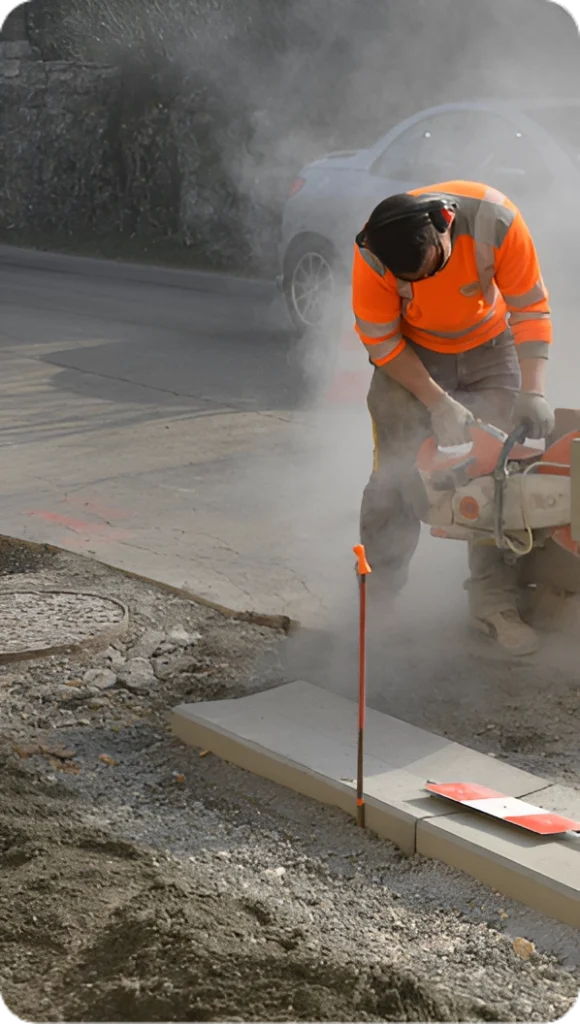
On a live site, the scan gets booked into the sequence ahead of the cutting, not squeezed in on the morning. When the saw arrives, the slab is already marked, and the crew can start once they’re set up.
In schools, trading centres and occupied offices, that also means less time with barriers up and fewer surprises for the people using the building.
It also lets the cutting plan be finished before anyone arrives. If the scan shows a tendon running close to where a core was meant to go, there’s time to talk to the engineer and move the hole, rather than standing around on the day waiting for an answer. More on that kind of work on our commercial concrete cutting page.
Who Arranges the Scan on Your Job
Scanning is usually carried out by a specialist with GPR equipment, and on many commercial jobs the builder already has a scanning contractor they use.
Already Scanned?
Send the scan report through with the job details so the cut can be planned around the findings.
Not Scanned Yet?
Raise it when you book. The scan needs to happen before the cutting date, not on it, so build it into the program early.
Questions to Ask Before Booking Concrete Cutting
A few questions up front save a lot of trouble. A good contractor can answer all of these in one phone call.
- Has the area been scanned, or does it need to be?
- Who reads the results, and how will they be marked?
- What happens if something sits right on the cut line?
- Is the contractor fully licensed, insured and WorkSafe compliant?
- How will dust and slurry be handled on a live site?
For what good site safety looks like in practice, see what a WorkSafe-compliant cutting site looks like.
Concrete Scanning FAQs
Do I need to scan concrete before cutting?
What can GPR find in concrete?
Is GPR or X-ray better for concrete scanning?
Does a Before You Dig enquiry cover what’s in my slab?
Can I rely on the building drawings instead of a scan?
When should the scan be booked?
Need a Cut Planned Properly?
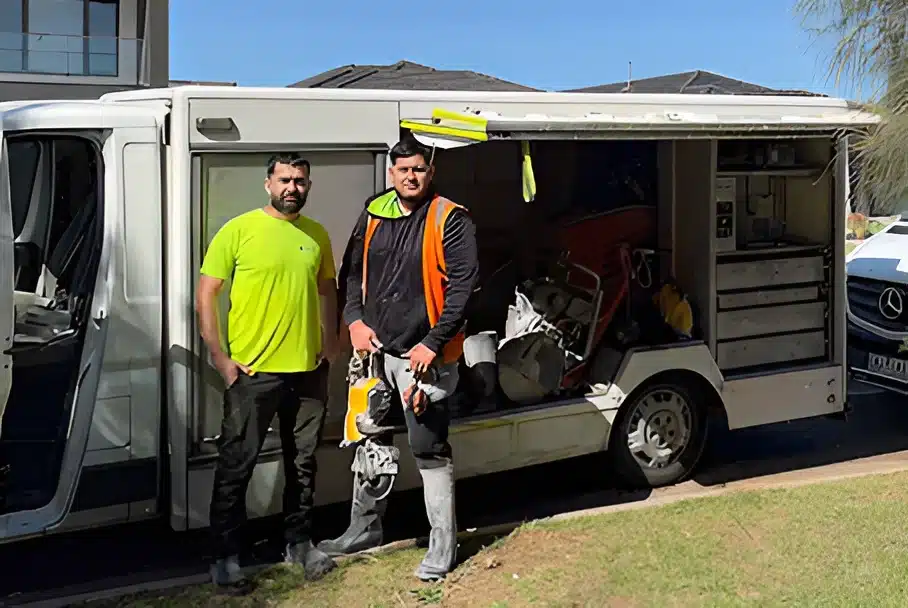
Melbourne Concrete Cutters is a family-owned business with 20+ years and 1,000+ projects across residential, commercial and industrial work, fully licensed, insured and WorkSafe compliant. Send through the site details, any scan report and access. We cover Melbourne, plus Geelong and Bendigo.