20+ Years Experience

Professionals you can trust on

Contact Us

Get a FREE quote today!

0478 817 718

Get in touch with us today!

Concrete Road Sawing Melbourne

Every cut starts with a depth check and a services scan. Diamond-blade road saws handle reinforced concrete and asphalt, straight lines, clean edges, ready to pour against or seal the same day.

Road Saw Cutting

What Is Road Sawing and When Is It Used?

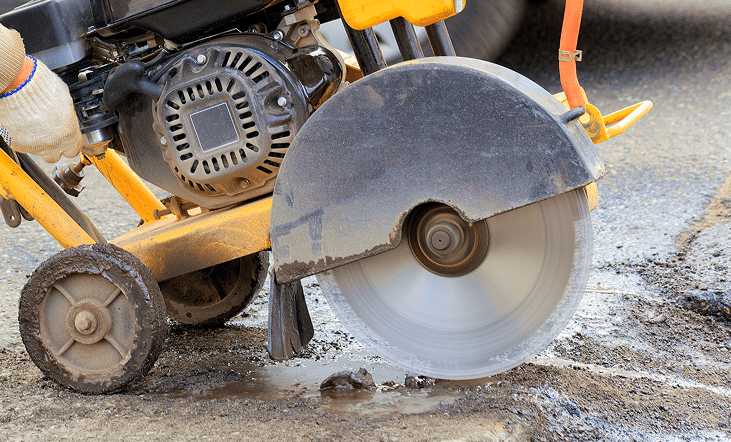
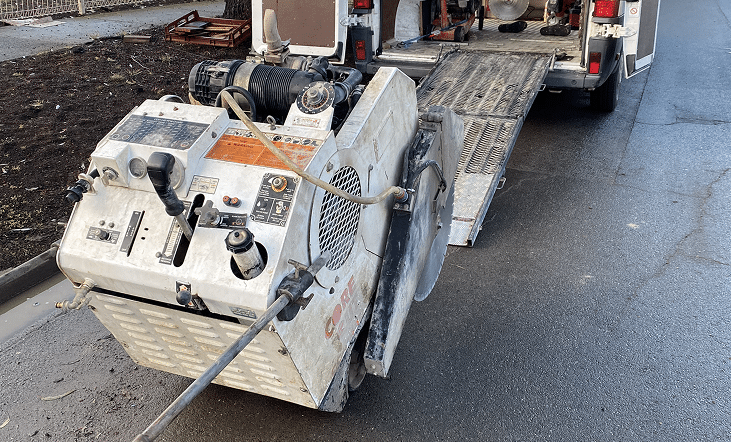
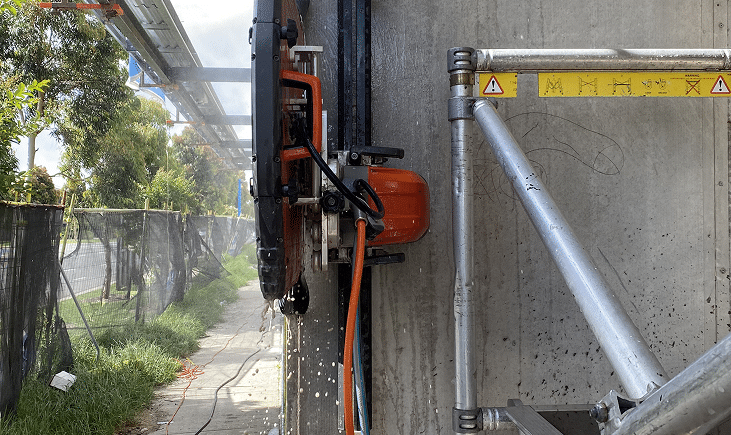
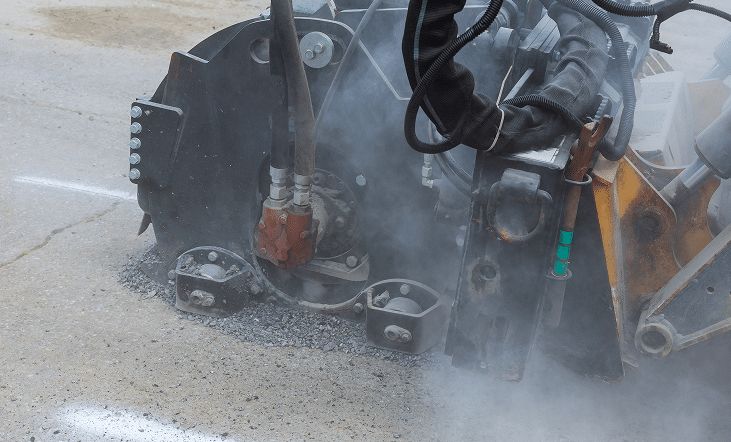
A road saw is a walk-behind machine with a diamond blade that cuts flat through concrete and asphalt. Bitumen overlay gets handled the same way. The blade runs flush to the surface; that’s what separates road sawing from wall sawing or hand-held ring saw work.

Across Melbourne, most road saw cutting comes down to trenches for services, expansion joints, driveway crossovers, and controlled slab removal. Cut depth depends mostly on reinforcement; blade diameter sets the ceiling. Most jobs sit between 100 mm and 250 mm. Anything past that, the slab specs decide.

The reo question matters more on older inner-suburb pours. Slab movement over decades shifts where the bar sits, and the original drawings don’t always match what’s actually in the concrete. West and south-east suburbs on reactive clay are the usual culprits. Depth checks before cutting catch the surprise.

If it’s horizontal and hardened, a road saw is usually the right machine.

What Does Road Saw Cutting in Melbourne Cover?

Road saw cutting handles most flat-surface work across residential, commercial, and civil sites in Melbourne. The surface material and cut depth change job to job; the machine doesn’t.

img services content

Concrete Road Cutting

Diamond-blade cuts through reinforced slabs and road pavement. Reinforcement decides the depth more than slab thickness does; most jobs land between 150 mm and 250 mm.
img services content 1

Asphalt & Bitumen Cutting

Road repairs are the bulk of it. Asphalt overlay, bitumen, resurfacing prep, clean saw lines before the patch goes back in.
img services content 2

Expansion Joint Cutting

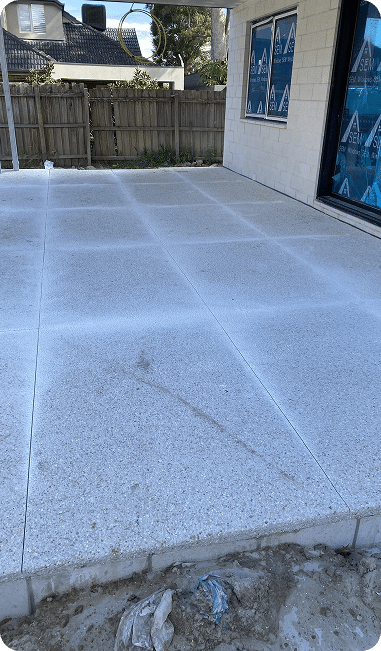
Cut too shallow and the slab cracks where it wants to. Control joints get cut into cured concrete to force the cracking onto a planned line; timing and depth do the work.
slider img

Trench Cutting

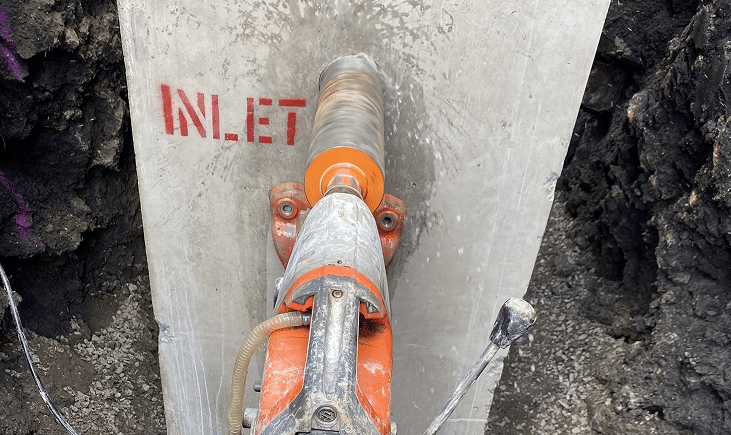
Service trenches for water, comms, electrical, gas. Water lines are the most common request. The road marks the boundaries; the excavator follows.

slider img2

Driveway, Footpath & Crossover Cutting

Cuts along existing edges before removal or a new pour. The adjoining slab stays intact, no jackhammer damage to the surface that's not being replaced.
slider 3

Curb & Channel Cutting

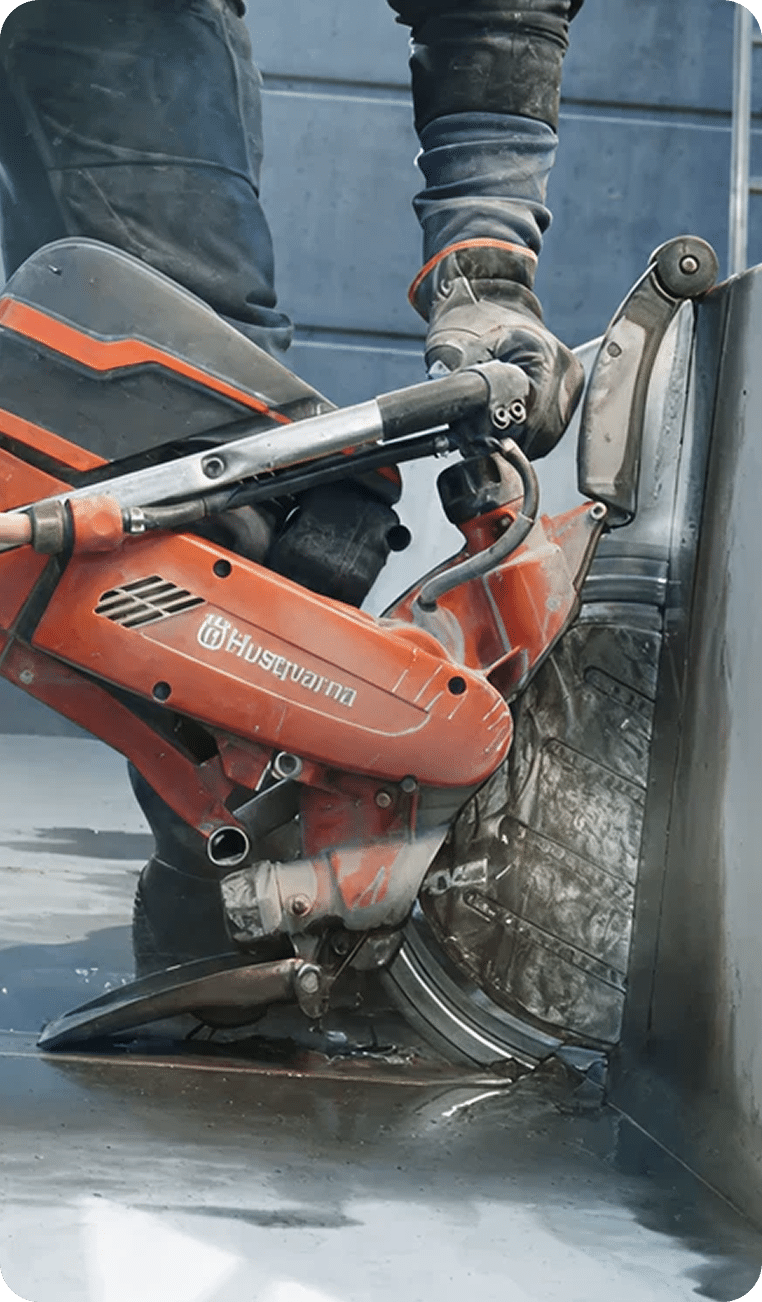
Drainage upgrades drive most kerb work. Precise cuts along the kerb line for the road saw, hand saws come in for the tight returns and corners.
How a Road Sawing Job Runs From Quote to Completion

Every concrete road sawing job follows the same sequence: assess the slab, scope the cut, execute with dust and slurry managed, and leave the site ready for the next trade.

Step 1:

Site Inspection & Quote

Slab type, depth, reinforcement, and access are assessed before quoting. On Melbourne sites with reactive clay or older reo layouts, this step catches problems early.

Step 2

Job Scoped & Scheduled

Cut lines and depths locked in, sequencing confirmed. Equipment matched to the surface, blade spec and saw type is verified against the slab before the crew arrives.

Step 3

Cutting With Slurry Control

Wet cutting keeps dust inside WorkSafe silica limits. Slurry captured and managed on site, no runoff into stormwater or across finished surfaces.

Step 4

Site Left Ready

Cut debris cleared, slurry cleaned, edges checked. The site is handed back ready for excavation, formwork, or the next pour, not left for someone else to sweep.

Need a Road Sawing Quote for Your Melbourne Site?

Send through the slab type, cut length, and site access details, or book a site inspection. Most road sawing quotes come back within 24 hours, commercial and residential.
Road Saw Cutting 2

Who Books Road Sawing Across Melbourne?

Civil Contractors

Road saw cutting for trench lines and service corridors on civil projects. Pavement removal is scheduled around site sequencing and traffic management.

Builders & Trades

Slab cuts and footing penetrations during residential and commercial builds. Timed to keep the pour schedule moving.

Government & Utilities

Concrete and asphalt cutting for council roadworks and underground services access. Compliance documentation matched to Melbourne council requirements.

Homeowners & Landscapers

Driveway removal, crossover cuts, footpath modifications. Same equipment and operator standard as a commercial site, scaled to the job.

Infrastructure Projects

Bridge deck cutting and deep slab removal on large-scale builds. Factory floor trenching where access and sequencing need tighter coordination.

Why Melbourne Builders and Contractors Choose Us

1

20+ Years Cutting Melbourne Concrete

Not project-managed from an office. Operators with two decades on the tools, across reactive clay suburbs and inner-city heritage slabs, commercial tier-1 sites included.

2

Full Silica & WorkSafe Compliance

Wet cutting and slurry capture are standard on every job. Dust monitoring runs to WorkSafe Victoria limits, confirmed before the saw starts, not checked after a complaint.

3

Equipment Matched to the Slab

Blade spec and cut depth confirmed against slab reinforcement and thickness. The machine fits the job, not the other way around.

4

Family-Owned, Operator-Run

The person quoting the job is the person cutting the slab. No subcontractors, no layers between the client and the operator running the saw.

What Our Clients Are Saying

Real feedback from builders, contractors, and homeowners across Melbourne.

Road Sawing Questions Melbourne Clients Ask Before Booking

How deep can you cut with a road saw?

Most walk-behind road saws max out around 350mm in a single pass. The typical job sits closer to 200mm, driveway crossovers, service trenches, and expansion joints. Reinforcement is what slows the cut, not slab thickness. Heavy reo means a harder blade and a slower pass, sometimes a blade change halfway through. Anything past 350mm, the second pass goes in from the other side, or the job moves to a larger saw.

Road sawing rates depend on cut length, depth, surface type, and site access. A straightforward driveway crossover cut costs significantly less than deep trench cutting through reinforced concrete on a restricted-access commercial site. Most jobs are quoted per lineal metre. Send through the slab details and cut specs; quotes typically come back the same day.

Wet cutting is standard on every road sawing job. Water suppresses silica dust at the blade, keeping airborne levels inside WorkSafe Victoria exposure limits. Slurry gets captured at the cut line and contained on site rather than washing into stormwater drains. On EPA-sensitive sites, additional containment goes in before the saw starts.

Road saws are walk-behind, diamond-blade machines built for long straight cuts across flat surfaces. Hand saws, ring saws and demolition saws handle tighter spaces, awkward angles, and vertical work that a road saw can’t reach. On most Melbourne jobs, the road saw handles the main run. Hand saws finish corners and detail cuts.

Yes. Diamond-blade road saws cut through standard reinforced concrete, rebar and mesh, along with most embedded steel. The blade spec changes depending on reo density and bar diameter. Post-tensioned slabs are different. Cables sit under tension, so X-ray scanning is mandatory before cutting to locate them and avoid a structural failure or a dangerous cable snap.