


Choosing between wet and dry concrete cutting is a professional decision, not a casual preference, based on safety, site conditions, regulations, and the type of concrete cutting work being carried out. Get the concrete cutting method wrong on a live or occupied site and the consequences do not stop with the operator; they land on everyone nearby who has to breathe the dust or complain about the noise.
What Is Dry Concrete Cutting
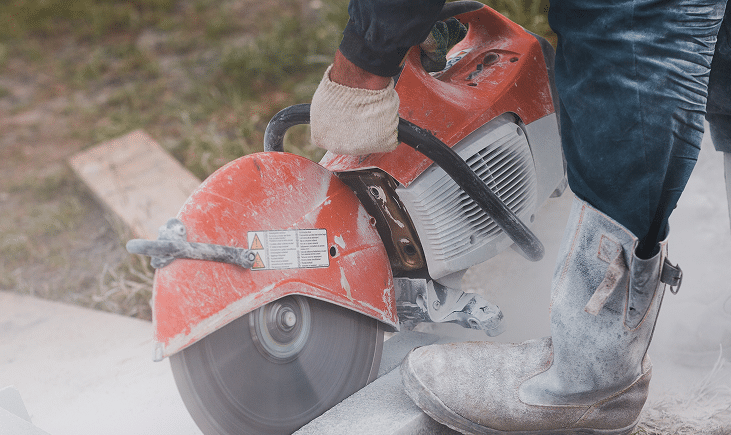
Dry concrete cutting uses a diamond blade with no water-cooling agent, producing more concrete dust than wet cutting, which is why it is generally used outdoors and on smaller, isolated cuts. It requires less setup and less clean-up than wet concrete cutting, no hose run, no slurry containment, which is where its cost and time advantage comes from.
Less Setup
No hose run or slurry containment is needed before the cut starts.
More Dust
Dry cutting produces more concrete dust and needs suitable extraction or ventilation.
Smaller Outdoor Cuts
Generally better suited to smaller, isolated cuts on exposed concrete.
Every concrete cutting project depends on matching the saw to the site: water access, program pressure, and the concrete type all shape the call. Core drilling often follows the same logic. A single core needs less setup than a full wet cut, and the diamond blade runs cooler when the segments aren’t fighting slurry. Bigger drilling jobs, or repeated coring across a project, still call for water, a proper saw, and gear rated for the extra wear on the diamond blade.
Sawing and coring both have their place, and matching the right saw, sawing method, and blade to the concrete saves time across every project on the program. Site access, cut depth, and concrete type point to whether the saws on hand suit the work, or whether different equipment needs booking in first.
Contact our crew at Melbourne Concrete Cutters with site details, concrete type, and expected cut length, and we’ll confirm the saw, diamond blade, bit, and equipment the concrete cutting project needs, plus a straight answer on water. A second contact once scope is locked keeps equipment, saws, and drilling gear ready for that project and the projects that follow it, without wasted work on site. Get in contact early, keep a spare core bit ready, and both saws and sawing schedules stay on track across every one of the projects on the books, from small projects to full programs, with less wasted work overall.
Dry Cutting Versus Wet Cutting
| Factor | Dry Cutting | Wet Cutting |
|---|---|---|
| Setup time | Fast, no hose or containment needed | Slower, needs water feed and slurry control |
| Dust | Higher, needs extraction or ventilation | Low, water binds the dust |
| Best suited to | Small outdoor cuts, exposed concrete | Indoor, sensitive sites, any real-scale job |
| Clean-up | Simple sweep-up | Slurry management required |
Blade choice and concrete type usually decide the method before cost does. A core taken through reinforced concrete behaves differently to a shallow surface cut, and drilling gear built for one concrete cutting job rarely suits the next. Sawing a full slab and drilling a single core wear the blade at different rates, so crews match saws and equipment to the cuts ahead rather than guessing on site.
Booking the right saws and sawing schedule around other projects avoids two crews reaching for the same equipment on the same day. Contact our team with concrete thickness, expected cuts, and core depth, and a follow-up contact once scope is set keeps drilling and blade prep on schedule. A second contact, once concrete cutting projects are locked in, keeps saws, sawing, and equipment ready, with cuts scheduled across future projects.
When Dry Cutting Is The Right Choice
Pathways, driveways, roads, and other exposed concrete cuts often suit dry cutting because it skips the hose setup, slurry containment, and clean-up wet concrete cutting demands. On a straightforward driveway cut, dry concrete cutting can get the job finished in a day or two where wet concrete cutting would take longer to set up and clean up around.
Handheld and walk-behind saws both suit this kind of exposed run, and neither needs a water tank strapped on to handle a driveway or path. That’s less gear to load, unload, and manoeuvre around garden beds or parked cars on a tight block. Saws still throw concrete dust without water crossing the blade, so a stiff broom and a read on wind direction go further than people expect on the day.
Nearby water access is still worth checking before the crew arrives, even on a short exposed cut, since a neighbour’s washing line or an open window nearby can change the call. A quick word on site layout is usually enough to confirm which saws suit the run, water or no water, before anything gets locked in.
Pathways
Short, exposed concrete runs can suit dry cutting.
Driveways
Dry cutting can reduce water setup and slurry clean-up.
Road Cuts
Exposed runs may suit dry cutting depending on the site.
Small Outdoor Jobs
Isolated cuts benefit most from the simpler setup.
Dry Cutting Equipment And Dust Extraction
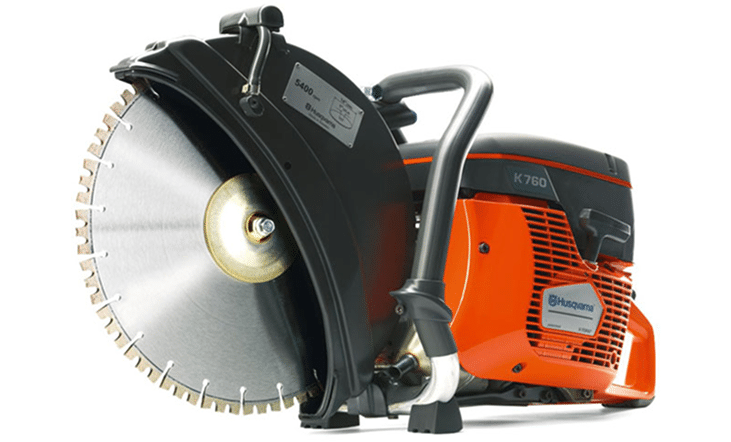
Dry concrete cutting still needs proper dust management, usually a vacuum attachment fitted to the saw blade, so the dust generated gets captured rather than left to settle over the site or drift toward anyone nearby. Without that extraction, dry cutting indoors or near occupied areas is not a viable option.
Silica Dust Risks And WorkSafe Victoria Limits
WorkSafe Victoria’s respirable crystalline silica exposure limit sits at 0.05mg per cubic metre, and dry cutting without extraction breaches that limit fast, especially indoors or in an enclosed space. This is not a theoretical risk; it made local news after footage circulated of a tradie dry-cutting concrete in a residential street, throwing up dust clouds that alarmed nearby residents. The method has to be chosen for safety and site conditions, not convenience.
Dry Cutting For Outdoor And Small Scale Jobs
Small, isolated outdoor cuts, a single control joint, a short section of exposed driveway, a paver replacement, suit dry cutting well. The dust generated is manageable outdoors with proper ventilation, and the time saved on setup makes it the more cost-efficient option for a job this size.
Where Dry Cutting Isn’t Suitable
Wet cutting is non-negotiable indoors, in sensitive environments like hospitals and schools, and on any real-scale commercial or civil cut where dust volume would otherwise be significant. Dry cutting on a large slab or in an enclosed space is a WorkSafe Victoria compliance risk, not just an inconvenience.
Dry Cutting On Commercial And Live Sites
On a live or occupied commercial site, dry cutting is rarely the default, even outdoors, because dust and noise both need tighter control than a residential driveway demands. Where dry cutting is used on a commercial site, it comes with extraction fitted as standard, not as an afterthought.
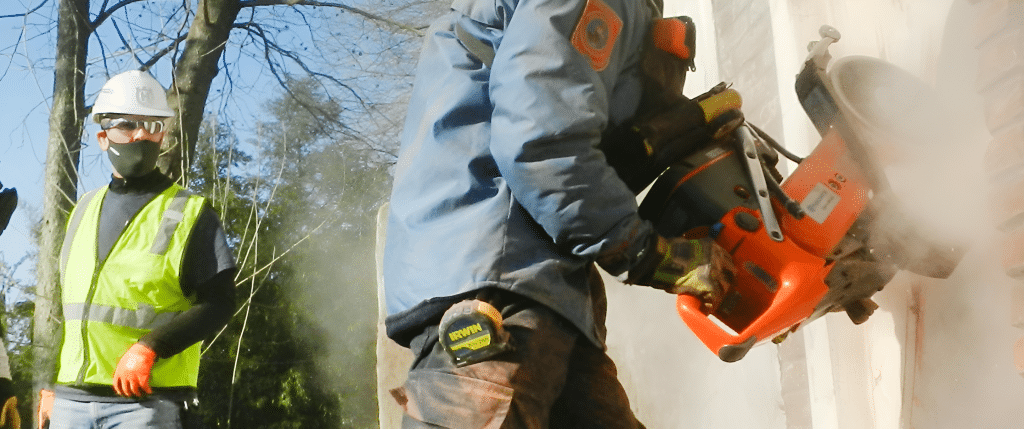
How We Control Dust On Dry Cutting Jobs
Assess The Site
Every job gets checked for whether dry cutting is appropriate, or whether wet cutting is the safer, compliant call.
Fit The Right Extraction
Where dry cutting suits the job, a vacuum attachment goes on the saw to capture dust at the source.
Clean Up And Sign Off
The site gets swept and handed back clean, with dust managed throughout rather than left to settle and become someone else’s problem.
Cost Of Dry Concrete Cutting In Melbourne
Dry cutting can be more cost-efficient than wet cutting on smaller outdoor jobs, since it skips the water setup and slurry clean-up, but pricing still comes down to saw type, slab thickness, reinforcement and access, the same factors that apply to any concrete cutting quote across Melbourne.
Saw Type
The equipment required for the actual cut.
Slab Thickness
Cut depth affects equipment and cutting time.
Reinforcement
Steel and concrete type influence the cutting method.
Site Access
Working space and access affect how the job is set up.
Booking A Dry Concrete Cutting Quote
Whether dry cutting suits a job or wet cutting is the safer call, that decision gets made on-site, not guessed over the phone. Send through the site details and get back a real, site-assessed quote for concrete cutting across Melbourne.