


Concrete Cutting Cost Per Metre
Concrete cutting cost per metre in Melbourne generally ranges from around $20 to $400, and the reason that range is so wide is simple: “per metre” isn’t one job; it’s five or six different jobs wearing the same label. Ask two different sites for a per-metre rate on the same day, and you’ll get two different numbers, not because someone’s guessing, but because the saw, the depth and what’s inside the slab are never quite the same twice.
Why the Per-Metre Price Changes Job To Job
Cost Per Metre By Cut Depth
Same Label, Different Jobs
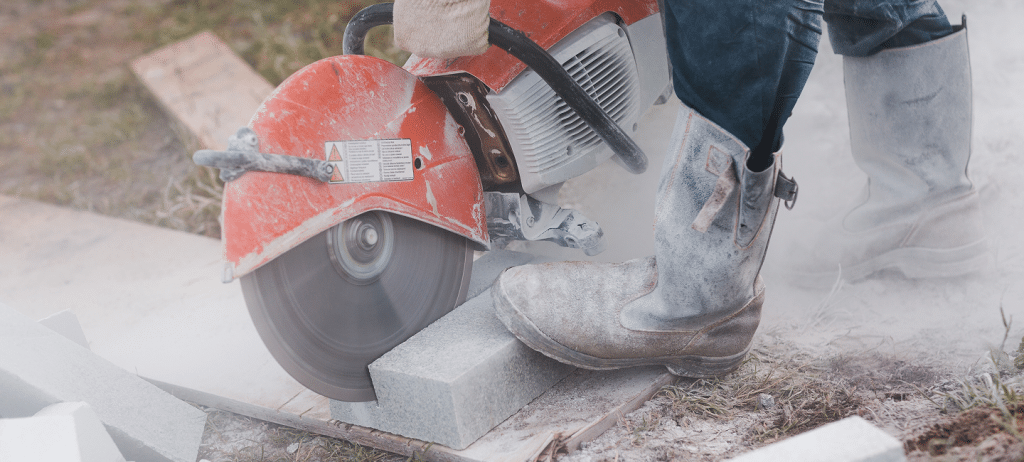
Take two jobs booked in the same week: a 10-metre control joint cut at 80mm into a new driveway pour, and a 3-metre structural cut at 280mm through an old commercial floor. Both get quoted “per metre.” Neither number looks anything like the other, because depth changes almost every part of the job: blade wear, cutting time, water volume, and the saw doing the work. As a rough guide, shallow cuts under 100mm sit at the low end of the per-metre range published across the Melbourne market, cuts between 100mm and 200mm sit in the middle, and anything pushing past 200mm toward 300mm climbs toward the top of the range, often steeper again if reinforcement is involved.
Rates By Method
Handheld, Floor Saw, Wall Saw, And Wire Saw Rates
| Method | Typical Rate |
|---|---|
| Control joint cutting | $20 to $40/lm |
| Floor saw | $25 to $60/lm |
| Handheld saw | $30 to $60/lm |
| Trench cutting | $40 to $80/lm |
| Wall sawing | $80 to $200/lm |
| Wire sawing | $150 to $400/lm |
Reinforcement And Its Effect On The Per Metre Rate
Access, Site Conditions, And Per Metre Pricing
A driveway with clear access is a different job to a laneway, a lift, or a loading dock that rules out standard equipment. Tight access can mean a smaller saw, more manual handling, or a longer setup time, all of which push the per-metre rate up even when the depth and method are identical to an easy-access job. Slurry management, keeping wet-cutting run-off contained, adds a further cost on certain sites, particularly occupied commercial premises where a mess isn’t an option.
Control Joints Versus Structural Cuts Per Metre
Different Jobs, Different Risk
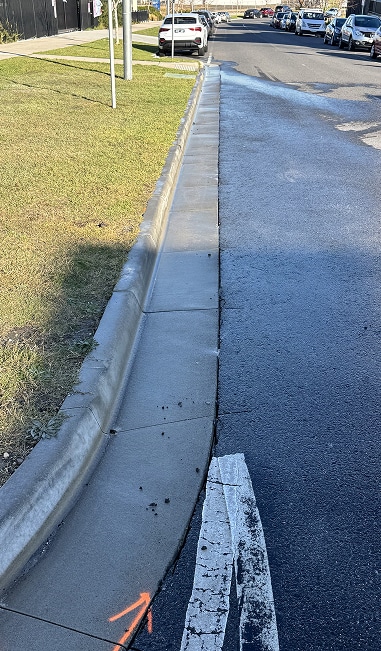
Control joints let a slab crack on a chosen line rather than find its own, and they sit at the low end of the per-metre range: shallow, fast, low equipment demand. Structural cuts, wall openings, floor removal prep sit at the opposite end: deeper, slower, and often requiring a bigger rig or a specialist saw, such as a wall or wire saw. Comparing a control joint quote to a structural wall sawing quote on a per-metre basis alone misses the point; they’re different jobs with different risk profiles.
Starting Estimate, Not A Fixed Price
Why A Flat Per Metre Number Rarely Holds On Site
A flat per-metre figure quoted without a site visit is really a starting estimate, not a fixed price. Once a crew is on site and finds reinforcement the drawings didn’t show, an access point that’s tighter than described, or a slab that’s thicker than assumed, the real per-metre rate can move. That’s not padding; it’s the job matching reality rather than a plan drawn up somewhere else.What A Site Assessment Adds To A Per Metre Estimate
Initial Enquiry
Site details, rough metres and what’s being cut, sent through by phone or online.
Site Confirmation
Depth, access and reinforcement checked against what was described.
Rate Locked In
The per-metre figure confirmed in writing before cutting starts.
Same Day And Emergency Loadings On The Rate
What A Cheap Rate Might Skip
How Silica Dust Rules Affect The Quoted Rate
A cheaper dry-cut rate should raise a question, not save money. WorkSafe Victoria sets the exposure limit for respirable crystalline silica at 0.05mg/m³, a threshold that dry cutting without water suppression or extraction can breach quickly on a live site. Wet cutting, extraction gear and slurry containment are all part of what a compliant per-metre rate is actually paying for, and any quote that leaves them out is missing a cost that shows up later, in fines, downtime or a site shutdown mid-job.Getting An Accurate Per Metre Quote For Your Job
Start With Site Details
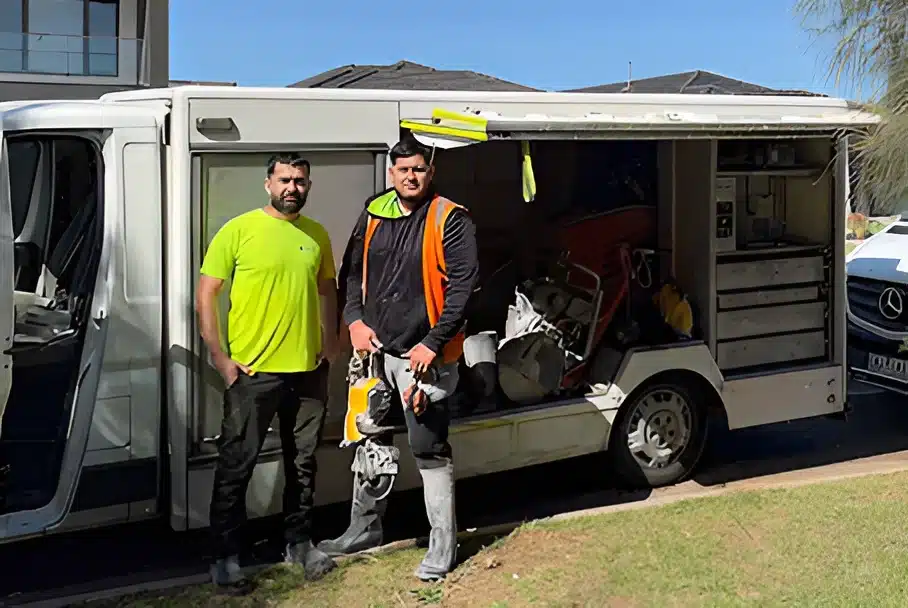
The most useful thing a builder or facilities manager can send through before asking for a per-metre rate is the site details: access, depth, what’s being cut and roughly how many metres. That’s enough for a specialist to give a straight starting figure, with the final number confirmed once the site’s been walked.